Programme Objectives
The Anti-Corruption Best Practices Programme (ACBP) is committed to enriching the landscape of anti-corruption knowledge and practices in the Gulf region. Through a comprehensive approach encompassing various initiatives such as awareness campaigns, training sessions, and research projects, the ACBP strives to empower businesses to uphold the highest standards of integrity and accountability. The ACBP aims to achieve the following objectives:


For further information and partnership opportunities, please contact us at enquiries@pearlinitiative.org.
Programme Achievements
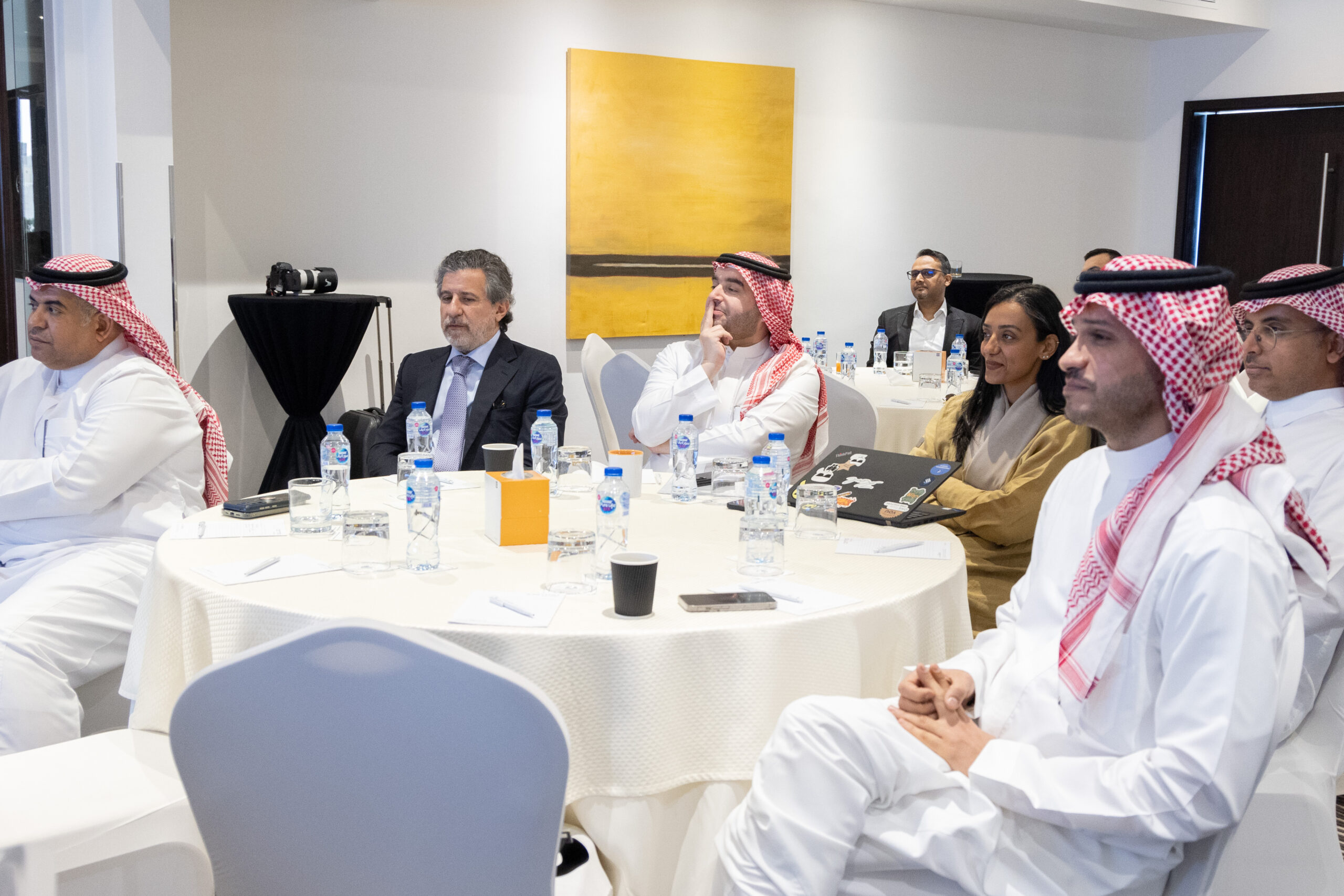
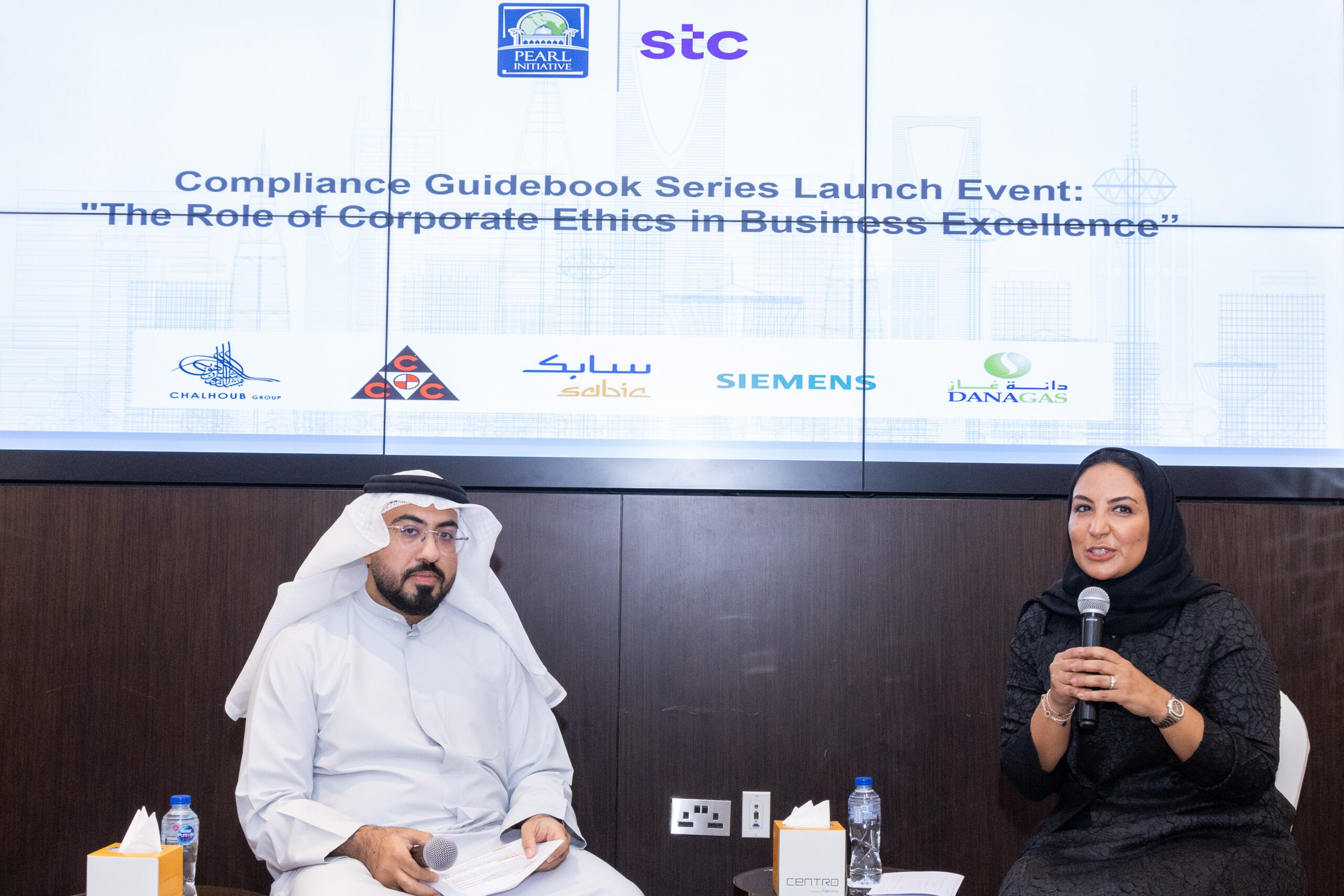
Since its inception in 2015, the Pearl Initiative’s Anti-Corruption Best Practices Programme (ACBP) has advanced ethical conduct in the Gulf by engaging over 1,000 business professionals through sessions promoting integrity. The programme reached 4,000 students across 40 universities via case study competitions involving 190 companies and, with SABIC, launched B20 Curriculum-driven Gender and Corruption workshops for 60 compliance leads from 55 firms. In 2022, the ACBP established the Anti-Corruption Best Practices Working Group with partners like stc, SABIC, Siemens, and Chalhoub Group, producing a 3-part Compliance Guidebook series on leadership, speak-up culture, and communication. The Diversity in Business Leadership (DIBL) Working Group’s roundtable, hosted by Chalhoub Group and led by ImInclusive, focused on integrating People of Determination (POD) into workplaces, involving ENOC, PwC, and others. A training session with ImInclusive in 2024, highlighted DEI’s role in fostering innovation through inclusive practices.
“Ethics and compliance, while often used interchangeably, address distinct aspects of organizational conduct. Ethics and integrity are about the cultural fabric of an organization, the moral principles that guide our decisions and actions. It’s the ethical culture that fosters trust and respect within and beyond the organization. On the other hand, compliance is specifically concerned with adherence to applicable laws and regulations. Understanding this distinction is crucial because it shapes how we approach both areas. While compliance ensures that we meet external legal standards, ethics are about our internal commitment to doing what is right, beyond just what is required.”

Mr. Naveed Ansari
SVP & Compliance Head Middle East at Siemens
“Storytelling is a powerful tool in the realm of corporate ethics. Through engaging narratives, we can vividly illustrate the importance of ethical behavior, making these principles relatable and resonant for every employee. This approach not only reinforces our core values but also paves the way for open dialogue and transparency. In line with this, establishing robust reporting channels is critical. These channels, including options for third-party engagement, ensure that our employees have a safe and trusted avenue to speak up.”

Mr. Jihad Hakamy
General Manager and Chief Counsel at SABIC

Programme Collaborators
We have partnered with Gulf regional and international organisations to help us design and deliver bespoke programming for our stakeholders. These include the following organisations


Working Group Partners